
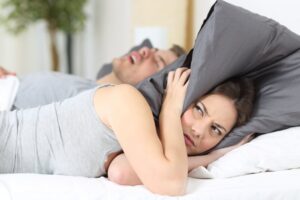
Snoring is a common problem that affects millions of adults. While occasional snoring may be little more than a nuisance, chronic snoring can disrupt your sleep, disturb your partner, and sometimes signal a more serious condition, such as obstructive sleep apnea. Because there isn’t a one-size-fits-all solution, the best treatment depends on the underlying cause of your snoring.
Here’s what you should know about finding the right treatment.
Start by Identifying the Cause
Snoring occurs when airflow is partially blocked during sleep, causing the soft tissues in the throat to vibrate. Several factors can contribute to this, including:
- Sleeping on your back.
- Excess body weight.
- Nasal congestion or allergies.
- Alcohol consumption before bedtime.
- Relaxation of the throat muscles during sleep.
- Obstructive sleep apnea (OSA).
Since different causes require different treatments, it’s important to have persistent snoring evaluated by a healthcare professional.
Lifestyle Changes May Help
For some people, simple lifestyle adjustments can significantly reduce snoring. Losing excess weight, avoiding alcohol before bedtime, treating nasal congestion, and sleeping on your side instead of your back may improve airflow and decrease tissue vibration.
Although these strategies can be effective for mild snoring, they may not be enough if an underlying sleep disorder is present.
Oral Appliance Therapy
If your snoring is caused by mild to moderate obstructive sleep apnea—or if you simply snore without apnea—your dentist may recommend a custom oral appliance.
These appliances are worn while you sleep and gently reposition the lower jaw or tongue to help keep the airway open. Unlike bulky over-the-counter devices, custom oral appliances are designed specifically for your mouth, making them more comfortable and effective.
Many patients appreciate that oral appliance therapy is quiet, portable, and easy to travel with, making it a convenient treatment option.
When CPAP May Be the Better Choice
For patients with moderate to severe obstructive sleep apnea, continuous positive airway pressure (CPAP) therapy is often considered the most effective treatment. A CPAP machine delivers a steady stream of air through a mask to keep the airway open throughout the night.
If you’ve been diagnosed with sleep apnea but struggle to tolerate CPAP, talk with your sleep physician and dentist. Depending on your condition, a custom oral appliance may be an appropriate alternative or complement to your treatment plan.
Snoring shouldn’t simply be ignored, especially if it’s accompanied by loud gasping, choking during sleep, excessive daytime fatigue, or morning headaches. These symptoms could indicate obstructive sleep apnea, a condition that requires professional evaluation and treatment. If you or your partner has noticed frequent snoring, schedule an appointment with a sleep dentist.
About the Author
Sleep dentist Dr. Bridget Ryan has been practicing for more than 25 years. She earned her dental degree from Case Western Reserve University, followed by a General Practice Residency at St. Luke/St. Vincent Charity Hospital. Today, Dr. Ryan is a qualified dentist with the American Academy of Dental Sleep Medicine and a member of the American Board of Sleep Medicine. She’s also a member of the American Dental Association and the Ohio Dental Association. If you need treatment for your snoring, book online or call our North Olmsted office at (440) 454-8200.