
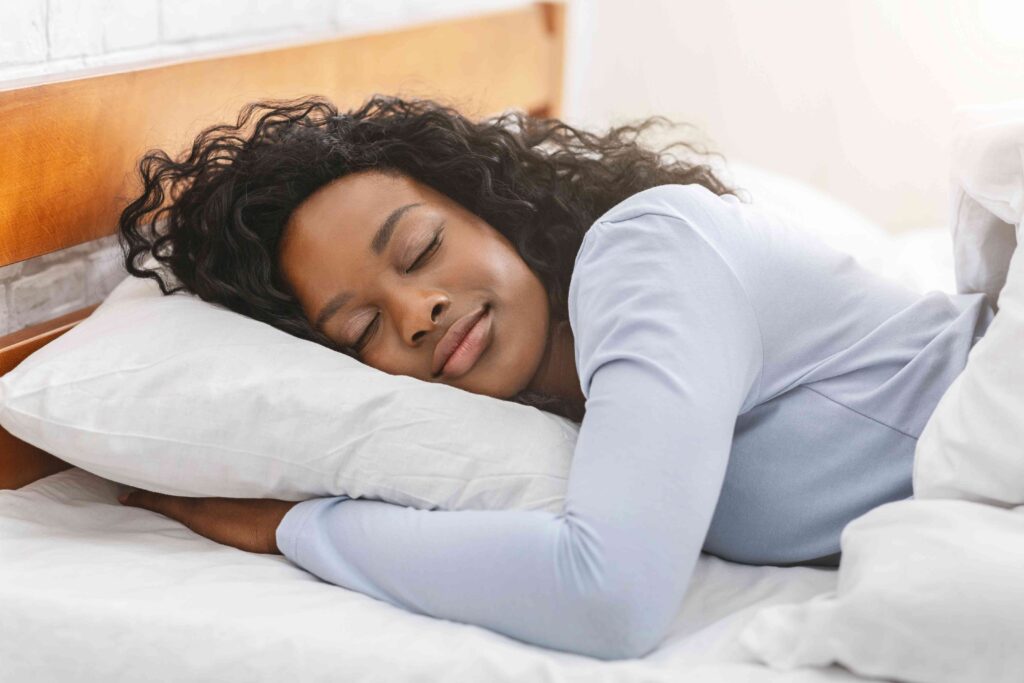
Sleep apnea is a common sleep disorder that causes the sufferer to experience cessations in breathing throughout the night when they sleep. This can result in all sorts of unfortunate symptoms, including difficulty focusing, loud shoring, mood changes, and chronic fatigue. It can even increase your risk of experiencing a cardiovascular event! When you are tired during the day, it can be tempting to lay down for a nap. Here’s why this isn’t the best idea If you have sleep apnea.
How Does Napping Impact Sleep Apnea?
Do you enjoy a nap during the day? For some people, the afternoon isn’t complete without a siesta. However, when you have sleep apnea, naps aren’t always ideal. Here are a couple of reasons why.
- If you are planning to take a short nap, you might think that you can get away with not using your oral appliance or CPAP. This increases your risk of experiencing cessations of breathing during your nap. You might even wake up feeling more tired than you were when you laid down.
- Napping makes it challenging for some people to fall asleep at night. If you haven’t adjusted to your sleep apnea treatment yet, it is best to set yourself up to be tired when it’s bedtime so that you fall asleep more quickly.
Ultimately, it is best to skip naps when you have sleep apnea. However, if you feel like one is necessary, try not to nap for more than 20-30 minutes. This way, you won’t enter the deep phases of sleep, reducing interference with your nighttime routine.
How Else Can You Improve Your Quality of Sleep?
If you are experiencing symptoms of sleep apnea, here are some extra steps you may want to consider to improve your quality of rest.
- Don’t use electronics for at least an hour before bed.
- Don’t drink carbonated beverages in the afternoon.
- Don’t drink alcoholic beverages before bed.
- Adjust your thermostat to make your bedroom cool.
- Make your bedroom as dark as possible during bedtime.
- Try to go to sleep at the same time each night.
- Consult with a sleep dentist if you think you may have sleep apnea or are struggling with your sleep apnea treatment.
Napping can sometimes be helpful, but it usually isn’t the best option for those who have sleep apnea. By skipping your nap, you might be able to achieve a higher quality sleep at night!
About the Author
Dr. Bridget Ryan earned her dental doctorate from Case Western Reserve University. Today, she is a qualified dentist with the American Academy of Dental Sleep Medicine and a member of the American Board of Sleep Medicine. She is also involved with the American Dental Association and the Ohio Dental Association. To learn more about sleep apnea treatment or to schedule an appointment at her office in North Olmsted, visit her website or call (440) 454-8200.