
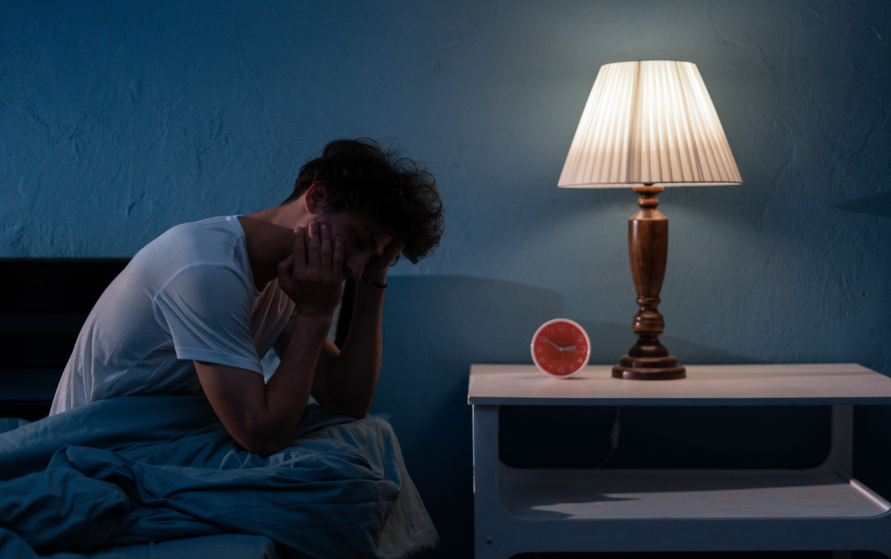
Bedwetting is usually associated with childhood, so experiencing it as an adult can feel embarrassing or confusing. However, occasional nighttime urination or bedwetting can have several possible causes, and one of them may be obstructive sleep apnea (OSA). Understanding the potential connection can help you recognize when it may be time to talk with a healthcare professional.
What Is Sleep Apnea?
Sleep apnea is a sleep disorder in which breathing repeatedly stops and starts during the night. The most common form, obstructive sleep apnea, occurs when the muscles and tissues in the throat relax enough to partially or completely block the airway.
These interruptions can happen many times throughout the night, sometimes without you fully waking up. Common symptoms include loud snoring, gasping or choking during sleep, morning headaches, daytime fatigue, and difficulty concentrating.
Because sleep apnea can affect the body in several ways, its symptoms aren’t always limited to breathing or sleep quality.
How Are Sleep Apnea and Bedwetting Connected?
One possible connection involves the way sleep apnea affects nighttime urine production. During an apnea episode, changes in breathing and oxygen levels can place stress on the cardiovascular system. This may increase the release of certain hormones that signal the kidneys to produce more urine.
Sleep apnea can also cause repeated brief awakenings throughout the night. In some people, these changes may contribute to nocturia, or waking frequently to urinate. For others, the combination of disrupted sleep and changes in bladder function may contribute to nighttime accidents.
Importantly, bedwetting doesn’t automatically mean you have sleep apnea. It can have many other causes, including certain medications, urinary conditions, diabetes, neurological problems, and other health concerns. That’s why persistent or unexplained adult bedwetting deserves professional evaluation.
Other Signs to Watch For
If you’re experiencing bedwetting along with loud snoring, morning headaches, excessive daytime sleepiness, dry mouth, or episodes of gasping or choking during sleep, it may be worth discussing sleep apnea with a healthcare provider.
Keeping track of your symptoms can also be helpful. Note how often bedwetting occurs, whether you wake to use the bathroom, and whether someone has noticed pauses in your breathing while you sleep.
How Is Sleep Apnea Treated?
Treatment depends on the severity and underlying cause of the condition. Lifestyle changes, such as maintaining a healthy weight, limiting alcohol before bedtime, and sleeping on your side, may help some people. However, many patients benefit from more targeted treatment.
Continuous positive airway pressure (CPAP) therapy is a common treatment for obstructive sleep apnea. Oral appliance therapy is another option for certain patients. These custom-fitted devices can help keep the airway open during sleep.
Treating the underlying sleep apnea may improve several nighttime symptoms, including frequent urination or bedwetting in some people.
Don’t Be Embarrassed to Seek Help
Adult bedwetting can be uncomfortable to discuss, but there’s no reason to feel ashamed. It can be an important clue that something is affecting your health or sleep. If you’re experiencing nighttime accidents along with other symptoms of sleep apnea, talk with a qualified healthcare professional about your concerns.
Getting to the root of the problem can help you sleep more comfortably and improve your overall quality of life.
About the Practice
Ohio Dental Sleep Solutions is led by Dr. Bridget Ryan, a sleep dentist with more than 25 years of experience. Dr. Ryan developed an interest in sleep dentistry from her early passion for science and enjoys helping patients address sleep problems that may have affected their lives for years. She earned her dental degree from Case Western Reserve University after attending The Ohio State University and Cleveland State University, followed by a General Practice Residency at St. Luke/St. Vincent Charity Hospital. Dr. Ryan is qualified with the American Academy of Dental Sleep Medicine and is a member of the American Board of Sleep Medicine, the American Dental Association, and the Ohio Dental Association. She provides personalized care focused on helping patients breathe, sleep, and feel better.
Call us at (440) 454-8200 or schedule your appointment online.